

What You Stop Noticing After Browsing Hundreds of Profiles
An observation from ten years of watching clients choose, and occasionally, choose wrong
Something happens after the thirtieth or fortieth profile that most people do not notice happening. The photographs keep registering. The text stops. Not deliberately; there is no moment where someone decides the writing is not worth reading. It is more gradual than that, and by the time it has happened, the shortlist is already half-formed and the decision feels obvious, which is usually a sign that something has gone wrong somewhere.
We have been doing this for ten years. The clients who arrive having already browsed extensively nearly always arrive with the same blind spots. They have strong opinions about photographs and almost no memory of what anyone wrote. When we ask what drew them to the profiles they selected, they describe visual impressions, a feeling of immediate appeal. When we ask about the ones they passed over, there is usually very little there: not a considered judgment, just an absence of that first pull.
What tends to be in those passed-over profiles, when we go back and look, is often the more interesting material. A woman who has lived in three countries and writes about all of them with the same lightness. Someone whose professional background has nothing obvious to do with why she is compelling in a room, but whose description of it tells you exactly why she is. These are not subtle qualities. They are just qualities that require reading to find, and browsing is not reading. The London companions whose profiles hold attention longest are rarely the ones that photograph most immediately.
The introductions that have lasted longest over the years, the ones clients have returned to repeatedly and spoken about in the most specific terms: a surprising number of them started with a profile that the client would not have chosen on their own. We know this because in several cases they told us so afterwards. They had seen the profile, moved past it, and only came back because we suggested it. What they had missed was not hidden. It was there in the text. They had simply stopped reading by the time they reached it.
We are not suggesting that photographs do not matter or that first impressions are unreliable. They matter and they are not. We are saying that after ten years of watching people browse, we have a reasonable confidence that the shortlist you arrived with is missing someone. We usually know who.
-
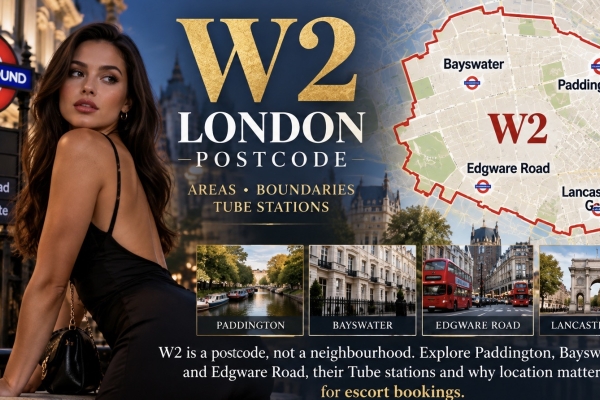 W2 London Explained: What the Postcode Covers, Street by StreetOct 21, 2026London has two Edgware Road stations, but only one is in W2. Discover what this postcode actually covers, from Paddington and Bayswater to Lancaster Gate, and which Underground stations serve each area.Read more...
 -
 Russian, British and Brazilian Escorts in London: Culture, Character and First ImpressionsOct 15, 2026Russian, British and Brazilian escorts in London: their cultural traditions, humour, ways of communicating and the misunderstandings that can arise from first impressions.Read more...
 -
 Filming With a Mask: The Look Is Half the StoryOct 07, 2026With her face covered, the eyes, outfit and mask do most of the visual work. Lace or satin, black or red, and what works best with each.Read more...
 -
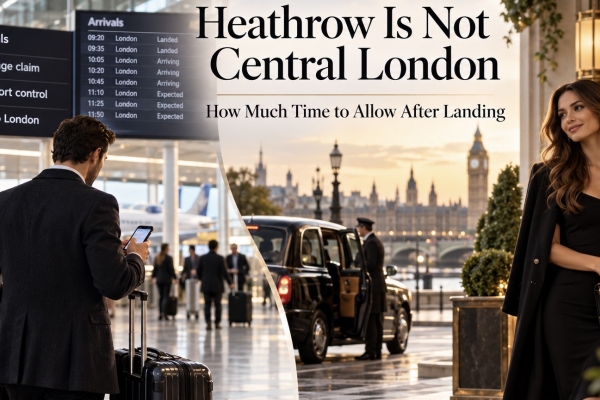 Heathrow Is Not Central London: How Much Time to Allow After LandingOct 01, 2026Landing at Heathrow with a booking in London the same day? Passport control, baggage and the trip into town all take time. This article explains how long to allow and which train suits which part of the city.Read more...


